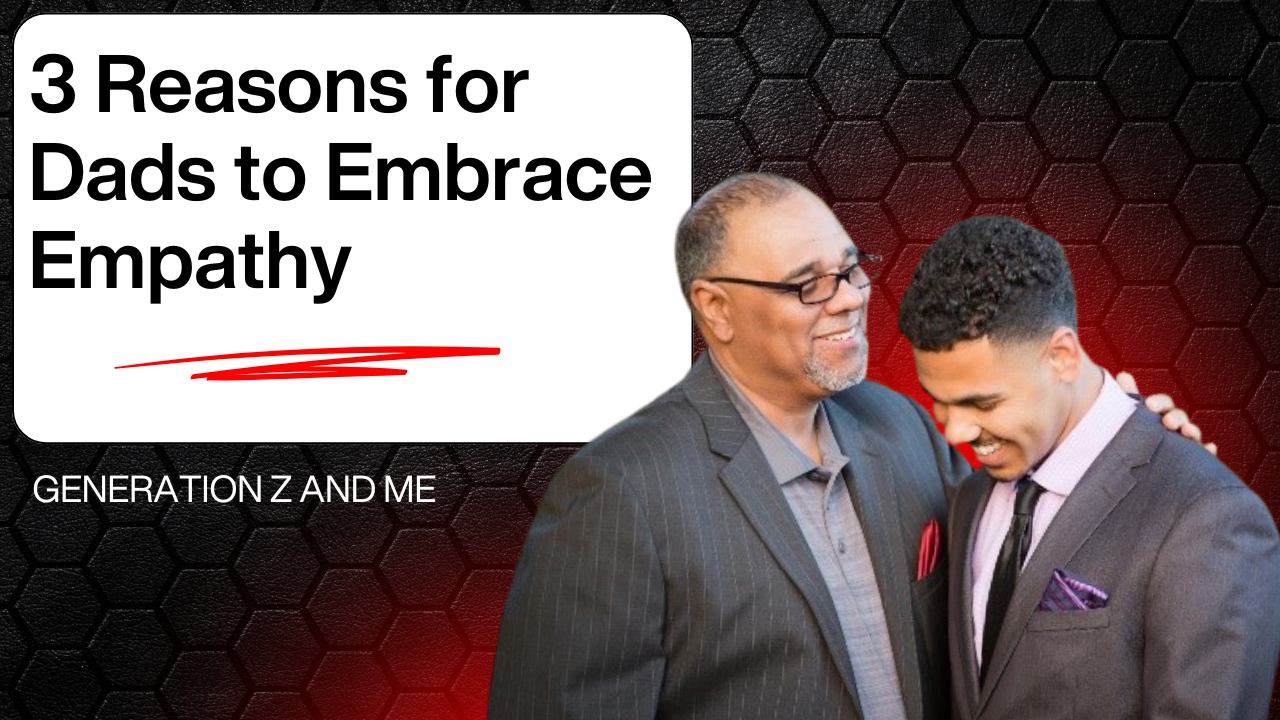
3 Reasons Why There’s No Better Time for Empathy Between Fathers and Sons
Dec 05, 2025Before 2020, “empathy” and “fatherhood” weren’t words you’d often hear together. Dads were supposed to be providers, protectors, and problem-solvers. Empathy? That was sometimes left off the list—right next to “ask for directions” and “read the instruction manual.”
But the world has changed.
Over the past few years, we’ve seen firsthand that fathers can’t just be present; they need to be emotionally present. In our father-son relationship, empathy has been the bridge that closed the gap when life’s distractions and misunderstandings threatened to widen it.
Here are 3 reasons why there’s no better time for dads to practice empathy.
1. The Great Disconnection
Let’s be honest, teens today have more distractions than ever: phones, social media, video games, and the occasional attempt at “quiet quitting” family dinners.
Empathy allows dads to step into their son’s shoes. When fathers understand the pressures and noise teens face, it becomes easier to connect and guide them without lecturing. Avery will tell you—it wasn’t the lectures that stuck, it was the moments his Pops cared about what was going on.
2. The Mental Health Shift
Anxiety, stress, and loneliness are at all-time highs for teens. And the old “toughen up” or “rub some dirt on it” parenting style doesn’t exactly build trust.
When fathers learn to notice the signs—when a son is withdrawn, when he’s pushing boundaries, or when he just needs space, it creates a safe environment where conversations can happen. In our relationship, empathy meant Brian realizing that sometimes Avery didn’t need advice, he just needed Dad to sit in the discomfort with him.
3. The Pressure Cooker of Expectations
Whether it’s school, sports, or the looming question of “what’s next in life?”, sons today are carrying heavy expectations. And dads, if we’re not careful, we can add to that pressure instead of easing it.
Empathy helps us fathers shift from “performer mode” to “partner mode.” It’s less about, “Did you score?” and more about, “How are you feeling about the game?” Less about the GPA and more about the conversation behind it. That shift has been key in our own father-son journey, it turned pressure into partnership.
We believe empathy isn’t a soft skill, it’s a strong skill.
And right now, it’s the glue that can help fathers and sons build the kind of legacy relationships that last. So, dads, lean in. Listen more than you lecture. Ask more than you answer. Empathy isn’t about getting it perfect, it’s about showing up, again and again.
And if all else fails, just remember: your son might not remember every word you said, but he will remember the time you tried to use some slang and failed miserably. (“No cap, right Pops?”)
We are rooting for you!
Avery & Brian